

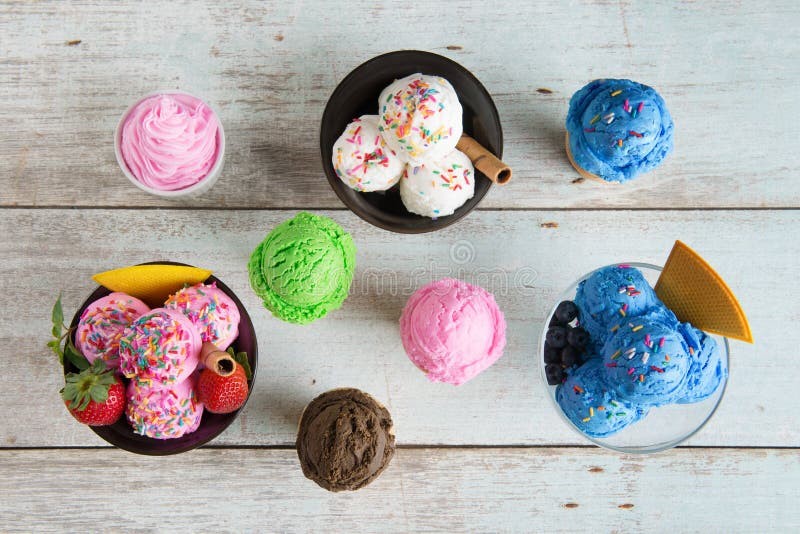
An ice cream mix can look exactly right before it enters the freezer. Then the finished product comes out looking softer, paler or simply different from the sample approved earlier.
That should not be surprising. Ice cream is a complicated visual system. Fat, milk solids, flavor ingredients, air and low temperature all contribute to what the eye eventually sees. For developers working with naturally derived colors, the useful reference is therefore the frozen product, not the liquid mix sitting in a development cup.
Begin With the Flavor Base
Vanilla, strawberry, mango and chocolate do not offer the color developer the same starting point.
A pale dairy base leaves plenty of room for an added shade to show. Fruit preparations may already bring color of their own. Cocoa creates an even stronger background that can completely change how another color is perceived.
Make an uncolored version of the finished formulation first. Keeping that sample nearby helps the team understand what the base contributes before any coloring ingredient enters the recipe.
Decide What the Customer Should See
The desired shade should make sense with the flavor and positioning of the product.
When evaluating ice cream colours, avoid relying on broad instructions such as “make it pink” or “we need a stronger yellow.” Put an approved reference in front of the development team.
A strawberry product designed for children may intentionally look different from one positioned around a more subtle fruit appearance. Neither approach is automatically correct. The color has to support the particular product being developed.
Remember That Air Changes Appearance
Ice cream is not simply a frozen liquid. Air is incorporated during freezing, and that can affect how the finished color appears.
A mix that seems relatively strong before freezing may look lighter after processing. This is one reason dosage decisions should not be finalized solely from the liquid stage.
Run the color through the intended process and allow the product to reach its normal finished condition before judging it. Otherwise, the team may spend time correcting a shade that has not yet completed its transformation.
Test With the Complete Recipe
A color tested in water or a simple carrier provides only limited information.
Any food coloring for ice cream should be evaluated with the actual fat, solids, sweeteners, flavors and other components used in the commercial formulation. These ingredients create the visual background against which the added color has to work.
Fruit pieces, sauces or inclusions can complicate matters further. Developers should decide whether the base and inclusions are meant to match, contrast or create a deliberately uneven appearance.
Check the Product at Serving Temperature
Straight from very cold storage, ice cream may not look exactly as it does after sitting briefly at serving temperature.
That makes evaluation timing important. Establish a consistent method for comparing development samples instead of examining one immediately from the freezer and another several minutes later.
Lighting should remain reasonably consistent too. Small differences can become difficult to judge when samples are moved between daylight, laboratory lighting and production areas.
Do Not Forget the Display Case
Development may happen in controlled conditions, but the commercial product has a longer journey.
It can spend time in frozen storage, transportation and a retail freezer before anyone eats it. Color stability should therefore be considered alongside flavor and texture during shelf-life work.
Packaging matters as well. The amount of light reaching the product depends partly on the package, particularly when a transparent section exposes the ice cream directly.
Keep the First Production Run Under Review
Moving from development equipment to a commercial freezer introduces changes in batch size, mixing and processing.
Keep the approved development reference and detailed trial notes available during scale-up. Record color dosage and the point at which it was incorporated.
If the first large batch looks slightly different, check the process before immediately adding more color. A production difference may explain the change better than dosage alone.
Conclusion
Ice cream has a habit of reminding developers that the color in the mixing tank is not the color the customer buys. Freezing, incorporated air, the flavor base and even the conditions under which the scoop is viewed can alter the final impression.
For that reason, the freezer should be part of the color-development process from the beginning. Manufacturers developing naturally coloured frozen products can review application-specific solutions at foodrgb.com, then make the final judgment only after the color has traveled through the same journey as the ice cream itself.

