

Pre-Booking Checklist: Pick the Right Room
Before you book, use a quick family escape planning checklist to match the experience to your group. Start by counting everyone who will play and confirm the room supports your group size, since most escape rooms work best with intentional team numbers. Then consider the ages and comfort family-friendly escape room levels of participants, because different puzzle styles feel more approachable depending on familiarity with riddles, clues, and hidden objects. Finally, review the room theme options and choose the one that keeps your group engaged from the first minute of the game.
Next, decide what kind of challenge your group wants. Some teams prefer hands-on discovery, while others enjoy logic-heavy puzzles and pattern recognition. If you have mixed skill levels, look for a room that includes multiple puzzle types so everyone can contribute without feeling stuck. As part of your checklist, also plan how you’ll divide roles—one person can focus on reading clues, another can scan for hidden items, and others can try combinations and coordinate around findings.
Day-Of Preparation Checklist: Arrive Ready to Play
Once you’ve reserved your time, prepare for a smooth arrival with a simple checklist that reduces stress. Plan to arrive a few minutes early so the briefing feels calm and you have time to ask questions before the clock starts. Wear comfortable clothing and closed-toe shoes, especially if puzzles involve standing, leaning, or moving around props. If anyone in your group needs accommodations, mention it during check-in so staff can guide you on the best experience flow.
During the briefing, treat the instructions like part of the game strategy. Pay attention to how hints work, where to look for clue placement, and what types of interactions are allowed. Your checklist should include a quick decision on communication: agree on a “pause and share” method where anyone who finds something stops the group and explains what they noticed. When everyone communicates clearly, teams solve faster because puzzle pieces connect in a more organized way.
Gameplay Checklist: Solve Smarter as a Team
During the escape room session, use a checklist-style approach to keep momentum and prevent duplicate efforts. Start by confirming what you already know: identify the objective, list the major clues you’ve located, and mark where those clues might connect later. Then rotate tasks so the team isn’t locked into one puzzle for too long, especially when kids and adults have different attention spans. If your group hits a snag, refer back to your notes and check for overlooked details like symbols, placement patterns, or hidden writing.
As you progress, track your progress the same way you would in a scavenger hunt. Your checklist can include “try one new thing” rules: attempt a logical action, test it, and only then move on if it doesn’t produce results. Keep an eye out for clue relationships—an item found early may make sense only after another mechanism opens. Encourage the group to celebrate small wins because every solved step usually creates new access points, new clue locations, or fresh puzzle combinations.
Family-Friendly Comfort Checklist: Keep Everyone Engaged
A successful family outing includes more than puzzle-solving, so plan a comfort checklist that keeps everyone engaged. Choose a team mindset where curiosity matters more than speed, because escape rooms are a shared adventure rather than a test. If you have younger players, set expectations before you begin: explain that puzzles can feel tricky and that asking for hints is part of the fun. When the group understands that the goal is learning together, participants are more willing to explore and less likely to get frustrated.
Also think about pacing and energy, since different age groups may need short breaks in attention even while the game continues. If the room allows team movement, assign one “runner” to check areas highlighted by clues while others focus on decoding. For teams with first-time players, guide them toward active participation—holding clue cards, pointing out details, and connecting observations to what the team already suspects. Your checklist should also include post-game discussion, so everyone shares what they tried, what worked, and what they want to do differently next time.
Conclusion
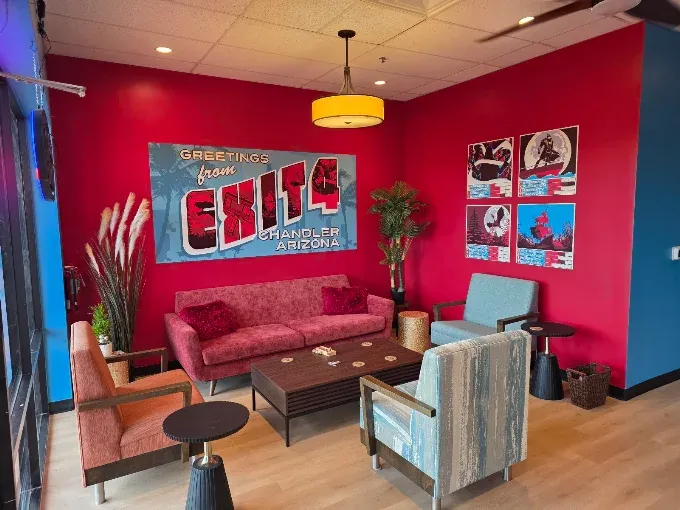
A family escape room experience works best when you plan like a team and play with confidence. Use the checklist steps—from selecting the right themed challenge to coordinating roles and communicating discoveries—to help every participant stay engaged. With thoughtful preparation, your group can focus on the excitement of finding hidden clues and solving puzzles together. Whether you’re celebrating a birthday, planning a group outing, or building a memorable shared activity, a structured approach makes the adventure feel smoother and more fun. Exit 4 Escape Rooms in Chandler delivers an immersive, private group experience designed for real teamwork. With four themed rooms, group bookings for 2–10 players, and the thrill of escaping before time runs out, it’s built for family-friendly adventure across the East Valley. When you combine that atmosphere with a clear checklist mindset, your team is more likely to stay organized, supportive, and fully involved from start to finish.

