

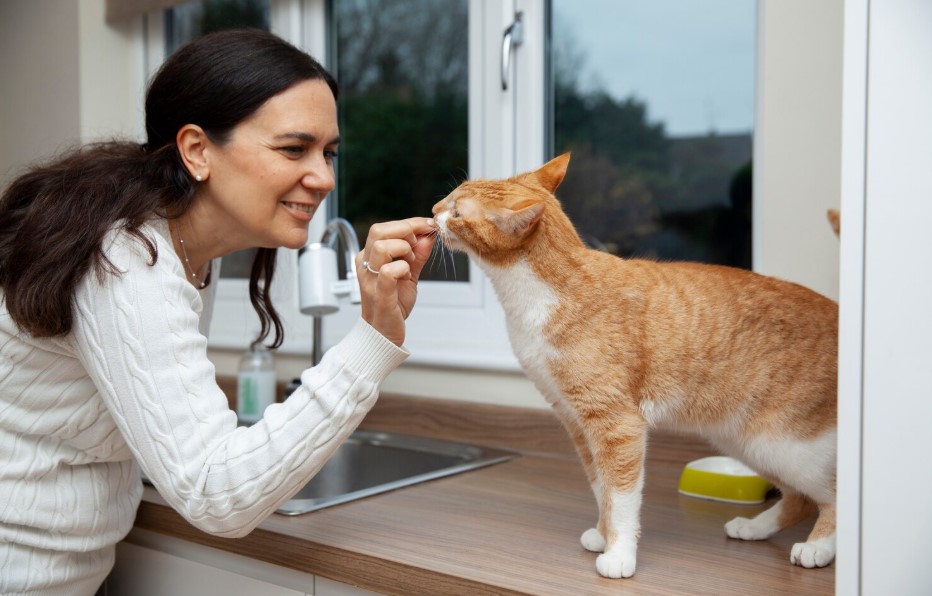
Cats may be known for their independence, but anyone who lives with one knows how powerful the right treat can be. From training moments to bonding rituals, treats play a surprisingly important role in a cat’s daily life. In recent years, soft cat treats have gained popularity among cat parents who want something gentle, tastier, and more versatile than traditional crunchy snacks.
Whether you’re caring for a playful kitten, a picky adult cat, or a senior feline with sensitive teeth, soft treats for cats can be a smart and compassionate choice. This guide breaks down everything you need to know, from benefits and ingredients to feeding tips and common mistakes, so you can reward your cat the right way.
What Are Soft Cat Treats?
Soft cat treats are exactly what they sound like, treats with a tender, chewy, or moist texture that’s easy for cats to bite and digest. Unlike crunchy treats that require significant chewing force, soft treats can often be broken apart with minimal pressure.
Most soft treats are made using gentle cooking or moisture-retaining methods that keep them pliable without compromising flavor. You’ll commonly find them in forms such as:
- Bite-sized morsels.
- Chewy cubes.
- Semi-moist sticks.
- Soft training treats.
Because of their texture, soft treats for cats are especially appealing to cats who struggle with hard foods or simply prefer a more meaty, realistic mouthfeel.
Benefits of Soft Cat Treats for Cats
Easier to Chew and Swallow
One of the biggest advantages of soft cat treats is how easy they are to eat. Cats don’t have strong grinding molars like humans, so hard treats can sometimes be uncomfortable, especially for kittens, seniors, or cats with dental issues.
Ideal for Dental-Sensitive Cats
Cats with gum inflammation, missing teeth, or oral pain often refuse crunchy treats altogether. Soft treats allow these cats to enjoy rewards without discomfort, helping maintain quality of life.
Highly Palatable and Aromatic
Soft treats typically contain higher moisture and fat content, which enhances aroma. Since cats rely heavily on smell to decide what to eat, this makes soft treats particularly attractive to picky eaters.
Perfect for Training and Bonding
Because they can be broken into tiny pieces, soft treats for cats are excellent for training sessions, clicker training, and positive reinforcement without overfeeding.
When Should You Choose Soft Treats for Cats
While soft treats are suitable for most cats, they’re especially helpful in certain situations:
- Kittens learning basic behaviors.
- Senior cats with weakened teeth or gums.
- Cats recovering from illness or surgery.
- Medication training or post-vet rewards.
- Stressful situations like grooming or travel.
If your cat regularly leaves crunchy treats untouched but goes wild for moist foods, soft treats are likely the better option.
Key Ingredients to Look for in Soft Cat Treats
Not all soft cat treats are created equal. Reading ingredient labels is essential to ensure your cat is getting something nutritious, not just tasty.
What to Look For
- Real meat or fish as the first ingredient (chicken, salmon, turkey, tuna).
- Short, recognizable ingredient lists.
- Natural preservatives like mixed tocopherols.
- Added taurine, an essential amino acid for cats.
Ingredients to Avoid
- Artificial colors or dyes.
- Excess sugar or corn syrup.
- Unspecified “meat by-products”.
- Chemical preservatives such as BHA or BHT.
High-quality soft treats for cats should complement your cat’s diet, not undermine it.
Soft Cat Treats for Different Lifestages
Soft Treats for Kittens
Kittens are still developing their teeth and jaws. Soft treats help introduce rewards safely while keeping portions small. Look for treats specifically labeled for kittens or “all lifestages.”
Soft Treats for Adult Cats
Adult cats benefit from treats that balance flavor with nutrition. Soft treats are also great for enrichment toys, puzzle feeders, and interactive play sessions.
Soft Cat Treats for Senior Cats
Older cats often struggle with crunchy textures. Soft treats help seniors continue enjoying treats without pain, making daily routines more enjoyable.
Are Soft Cat Treats Healthy
Soft cat treats can absolutely be healthy, when fed responsibly.
Treats should make up no more than 10% of your cat’s daily caloric intake. Even the best soft treats are supplements, not meal replacements.
To keep treats healthy:
- Use them sparingly.
- Adjust meal portions if needed.
- Choose treats with functional benefits (hairball control, digestion, calming).
Moderation is the key to turning soft cat treats into a positive part of your cat’s diet.
How to Use Soft Cat Treats the Right Way
Training and Behavior Reinforcement
Soft treats work exceptionally well during training because they can be broken into pea-sized rewards. This keeps sessions effective without excessive calories.
Enrichment and Mental Stimulation
Stuff soft treats into puzzle toys, lick mats, or treat balls to challenge your cat mentally and prevent boredom.
Stress Reduction
Offering soft treats for cats during stressful moments, such as nail trimming or carrier training, helps build positive associations.
Soft Cat Treats vs Crunchy Treats
| Feature | Soft Cat Treats | Crunchy Treats |
|---|---|---|
| Texture | Moist & Chewy | Hard & Crunchy |
| Dental Impact | Gentle on Teeth | May be difficult for sensitive cats |
| Training Use | Easy to Portion | Harder to Break |
| Palatability | High Aroma | Moderate |
Despite popular belief, crunchy treats are not a substitute for dental care. Brushing, dental diets, and vet cleanings are far more effective.
Common Mistakes Cat Parents Make with Soft Treats
Overfeeding: Because cats love soft treats, it’s easy to give too many. Stick to recommended portions.
Replacing Meals with Treats: Treats should never replace balanced cat food. This can lead to nutritional deficiencies.
Ignoring Ingredient Labels: Soft texture doesn’t automatically mean healthy. Always check what’s inside.
Using Human Food as Soft Treats: Human food often contains salt, spices, and additives unsafe for cats.
How to Choose the Best Soft Cat Treats Online
When shopping online, take a few extra steps:
- Read customer reviews for palatability and quality.
- Check feeding guidelines.
- Choose transparent brands that list sourcing and ingredients.
- Buy from trusted pet supply retailers.
High-quality soft treats for cats should come from brands that prioritize safety, nutrition, and feline-specific needs.
Future Trends in Soft Cat Treats
The pet food industry is evolving rapidly, and soft cat treats are no exception. Emerging trends include:
- Functional soft treats for calming, immunity, and digestion.
- Limited-ingredient recipes for food-sensitive cats.
- Freeze-dried soft textures that balance nutrition and taste.
- Clean-label formulations with no artificial additives.
These innovations aim to make treats both enjoyable and health-supportive.
Conclusion
Treats are more than just indulgences, they’re tools for training, bonding, enrichment, and care. Soft cat treats offer a gentle, flavorful alternative that suits cats of all ages and health conditions. When chosen wisely and fed responsibly, soft treats for cats can enhance your cat’s happiness without compromising nutrition.
By understanding ingredients, portion sizes, and your cat’s individual needs, you can turn every treat moment into a healthy and rewarding experience.
FAQ’s
Are soft cat treats safe for daily feeding?
Yes, as long as they’re fed in moderation and don’t exceed 10% of daily calories.
Can kittens eat soft treats for cats?
Most soft treats are safe for kittens, but always check age recommendations.
Do soft cat treats help with dental problems?
They don’t clean teeth, but they are gentler for cats with existing dental issues.
How many soft cat treats should I give per day?
This depends on size and calorie content, but typically 2-6 small treats per day is sufficient.
Are grain-free soft cat treats better?
Grain-free isn’t automatically better. Focus on ingredient quality and nutritional balance.

