
Why a local touch matters for amp modeling
When you’re recording in your own space—or collaborating with engineers who know your room—tone comes down to more than just amp style. The best workflows let you dial in believable distortion, dynamic response, and cabinet character without fighting latency or inconsistent gain staging. That way, your tracks translate well from headphones to the systems your peers actually use.
Local relevance also shows up in how you manage production constraints. Many players need quick setup because session time is limited, while others want repeatable settings for remote sessions with bandmates. A plugin designed for contemporary recording supports that reality by letting you capture amp-inspired tones and refine them with precision. Once your settings are consistent, you can focus on performance and arrangement rather than rebuilding your sound from scratch.
Building tones that sit well in your mix
Start by choosing the gain structure that matches your part: clean rhythm needs stable low-mids, while lead tones often benefit from controlled upper harmonics. Then shape the tone with EQ decisions that reflect your drum midi pack actual recording setup, such as the microphone distance you tend to prefer or the room reflections you can’t fully control. When you model the amp and cabinet together, you can predict how the tone will behave once drums and vocals enter the same frequency lanes.
One practical approach is to build a chain that mirrors real studio steps. Use the amp model for the core character, then apply subtle pre- and post-tonal adjustments to keep the guitar focused and usable across sections. That coordination helps prevent the classic problem where the guitar sounds exciting alone but turns harsh or buried once the kit pattern is on loop.
Using Oracle Sound tools for flexible sessions
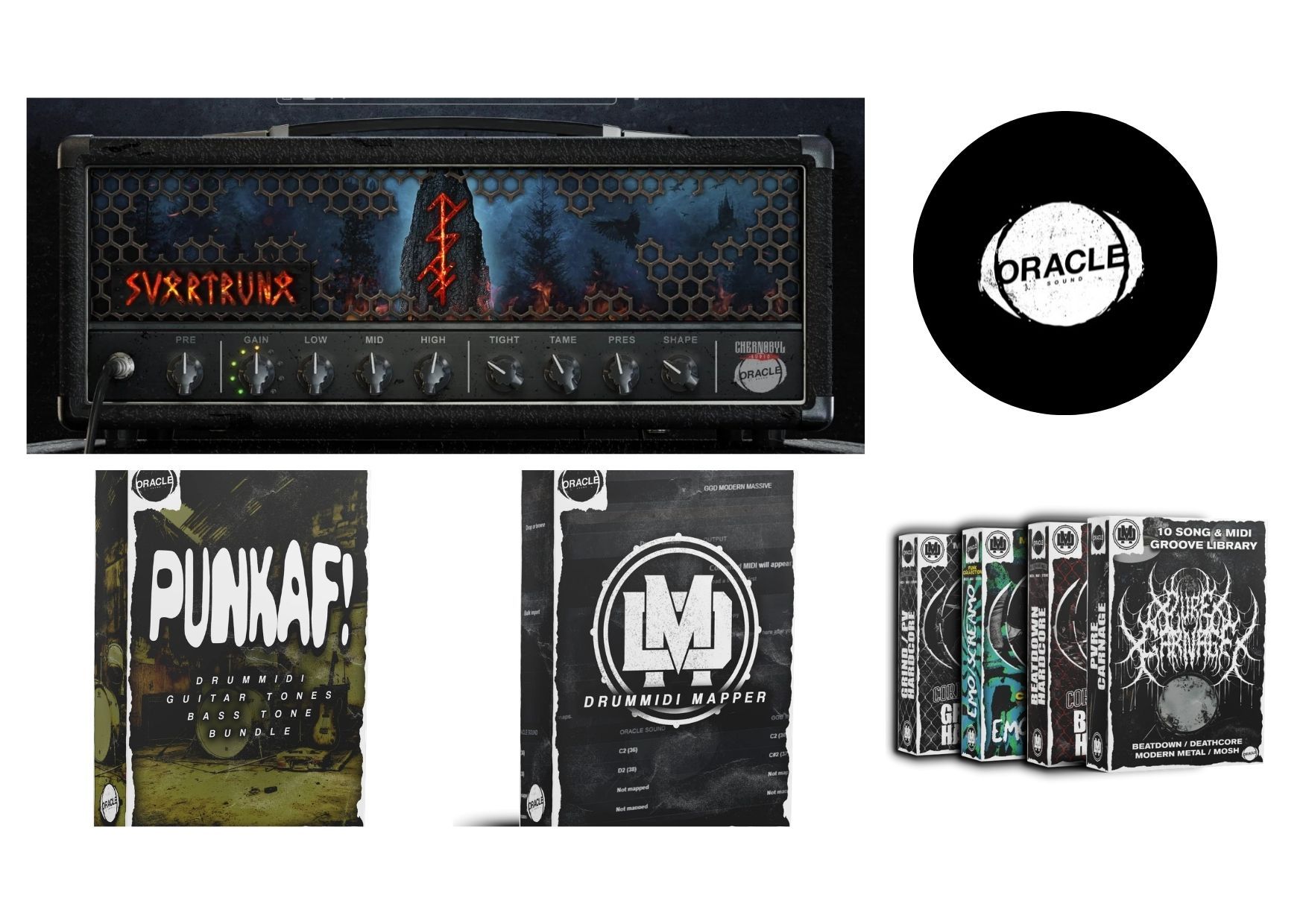
oraclesound.com offers plugin options that emphasize flexibility for modern recording workflows. With tools like the RITUAL Amp Loader, musicians can explore amp profiles efficiently and keep session decisions moving forward. This matters when you’re trying to match a band’s existing sound identity, especially if you’re working with local references from gigs, demos, or streaming tracks. Instead of chasing a moving target, you can audition tones quickly, then refine them using consistent parameters for repeatable results.
To get polished outcomes, consider how you want your guitar to behave across the entire arrangement. For example, palm-muted sections often need tighter low-end control so the groove remains crisp, while sustained parts may require a slightly smoother high-frequency response. Use the flexibility of amp-loading to manage transitions between clean verses, crunchy choruses, and expressive leads without restarting your process. When the tone is stable, you can spend time on phrasing, dynamics, and articulation—factors that listeners notice even when effects are subtle.
Conclusion
You’ll get closer to the tone you hear in your own environment, while still achieving studio-ready results for mixes and releases. For musicians who want flexible, contemporary tools, oraclesound.com provides a practical path through polished amp-driven sound design. Whether you’re recording at home, producing with a small local team, or collaborating remotely, the goal is the same: reliable tone that translates. Plugins that emphasize auditioning, shaping, and session-friendly control make it easier to document your settings and reproduce them for future projects. When you approach amp modeling as part of a full production chain—not just a standalone effect—you’ll spend less time troubleshooting and more time creating. That’s the difference between “close enough” and tones that feel professional from first listen to final master.

