

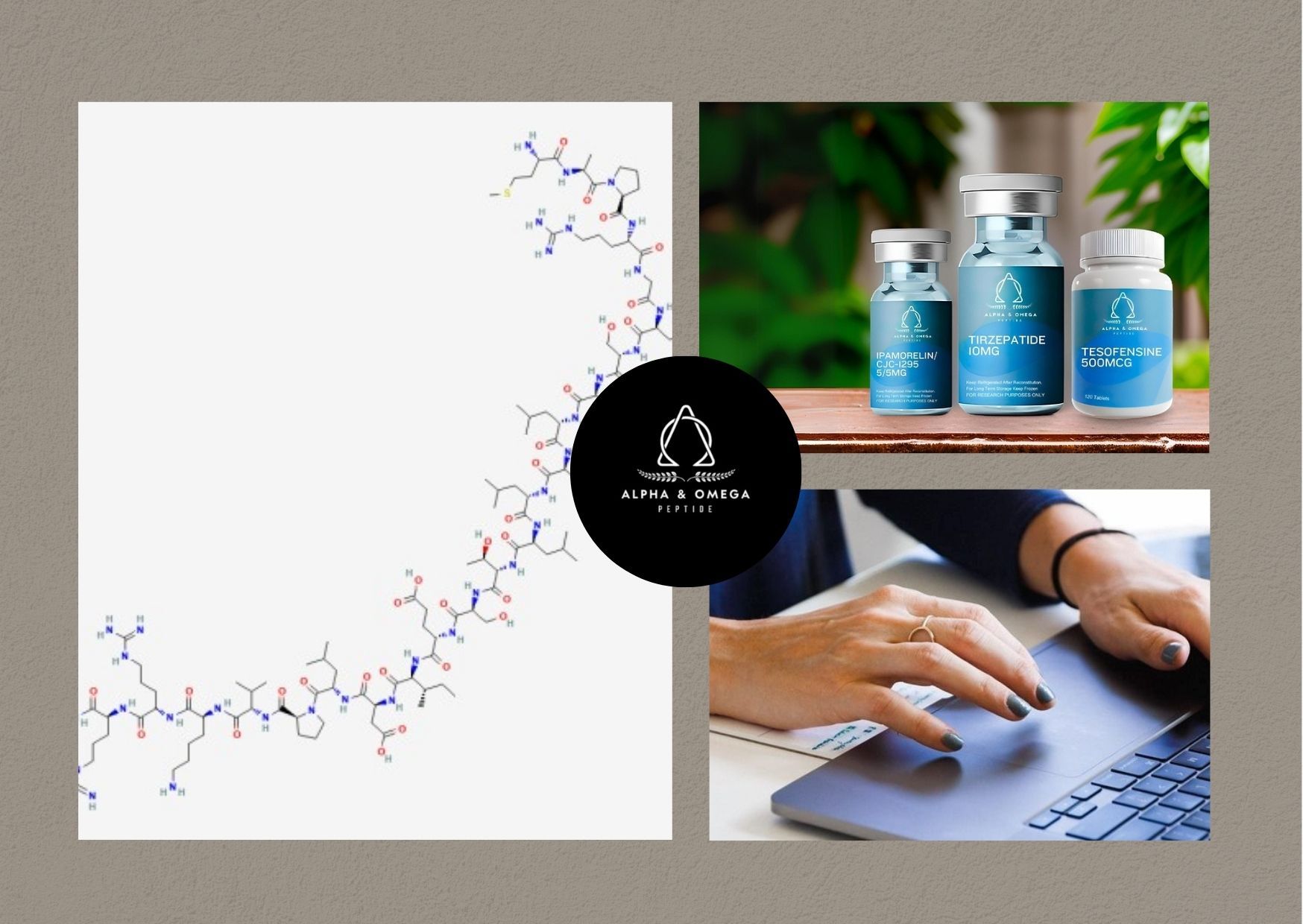
Why Peptide Solutions Need Careful Handling
Peptide research often starts with reconstitution, and the solution you choose can directly affect reliability and repeatability. Using a peptide-appropriate diluent helps keep handling consistent from vial to vial and from one experiment to the next. A stable, contamination-resistant preparation bacteriostatic water for peptides supports cleaner downstream results, especially for assays that are sensitive to minor impurities. For teams that purchase research peptides for sale, having a dependable workflow is as important as selecting the peptide itself.
Many labs prefer bacteriostatic formulations because they reduce the risk of microbial growth during routine use. That matters when you need to withdraw small volumes over multiple sessions or when thawing and mixing can take time. The goal is to protect the integrity of the preparation so your peptide dose and concentration remain accurate.
What to Look for in Bacteriostatic Water
When selecting a diluent for peptide work, confirm it is intended for research use and that it is packaged in a practical vial size for your workflow. Smaller vials can reduce waste, while larger vials may be more economical for frequent experiments. Check research peptides for sale that the product is labeled for sterile use and that it is suitable for reconstitution rather than general lab rinsing. This helps you avoid compatibility problems that can show up later in analytical runs or bioassays.
Pay attention to how you will handle transfers. If you plan to draw solution multiple times, a bacteriostatic option can help maintain a safer environment within the vial when proper technique is used. Consider storage conditions too, including whether you plan short-term keeping for immediate experiments or longer holding for batch planning. Good labeling practices—such as recording concentration, date, and intended use—reduce confusion and help you track which mixtures correspond to which results.
Best Practices for Reconstitution and Use
To get consistent results, reconstitute with a measured approach: use sterile syringes or pipettes, mix gently, and allow the peptide to fully dissolve before sampling. Avoid aggressive shaking that can introduce foaming or temperature spikes, which may affect solubility for certain sequences. If a peptide is not dissolving as expected, pause and reassess rather than repeatedly adding heat or increasing handling time. Consistency is critical when comparing experiments, especially across batches.
Plan your workflow so you minimize repeated vial access and limit the number of times you open containers. Many researchers aliquot to reduce variability and to keep the main stock protected. When you prepare working volumes, label them clearly and follow a defined schedule for thawing and rewarming to maintain uniform conditions.
Conclusion
Choosing the right reconstitution approach is a practical decision that can improve experimental quality and reduce preventable variability. Thoughtful handling—measuring accurately, mixing gently, and aliquoting when appropriate—supports consistent dosing and cleaner interpretation of assay data. For researchers who want product information and convenient ordering options, alphaomegapeptide.com offers guidance alongside bacteriostatic water options designed for peptide preparation. Building a dependable routine around reconstitution and storage helps you focus on the science rather than troubleshooting solution-related issues. When your materials are prepared consistently, your experiments are easier to reproduce and more meaningful to evaluate.

