

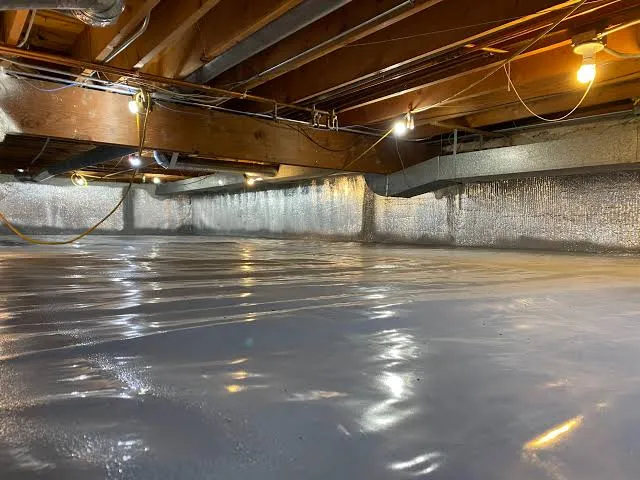
Cold floors in winter usually point to a big damp space sitting under your living room. Heavy groundwater sneaks right through bare dirt, soaked concrete, and small wall cracks every spring. Moisture builds up fast down below without good airflow or thick plastic covers. Getting professional crawlspace encapsulation seals out bad ground vapor before rot spreads into floor joists. Simple home checks now will save huge repair money later on.
Understanding Hidden Ground Water Risks
Dark areas under dirt floors trap wet air for months. Wood beams soak up this water like cheap sponges. Damp timber gets weak very fast. Small patches of white fuzzy growth appear on floorboards first. Soon, bad smells drift up into clean bedrooms through tiny floor gaps. Fast action keeps subflooring solid. Proper drainage pipes clear pooling water, while heavy wall vapor barriers keep incoming ground moisture far away from raw structural wood.
Stopping Spores From Spreading Upward
Spores float gently up through floor seams whenever the furnace runs. Family members sneeze often, blame outdoor pollen, and never look under the rugs. Bad indoor air quality starts below your shoes. Thick ground covers stop spores before they rise into dark hallway corners. Adding heavy plastic sheeting blocks rising vapor completely. Hiring local crawlspace repair services fixes open wall cracks, restores solid wood post supports, and stops damp air from entering clean living rooms.
Choosing Proper Moisture Control Barriers
Thin plastic sheets rip open when workers crawl around. Dense, heavy liners last much longer against sharp rocks and dirty soil. Heavy sheets must run straight up dark concrete foundation walls. Workers tape every single edge tight with special thick sealant. Sealed vents keep humid summer air outside where it belongs. Damp air can no longer enter dark corners, preventing fresh wood rot and keeping wooden floor frames completely dry all year long.
Improving Air Flow Underneath Floors
Standing air traps heavy water vapor inside low spots. Small quiet dehumidifiers pull leftover wetness straight out of dark corners automatically. Set controls near fifty percent humidity for best wood protection. Clean drain lines carry caught water right outside away from footings. Dry air stops smells from forming under rugs. Checked gauges prove systems run right during rainstorms, keeping hidden spaces safe from sudden floor damage and costly foundation fixes.
Checking Foundations For Early Damage
Walk around exterior walls twice a year looking for tiny hairline cracks. Wet soil pushes hard against concrete blocks every heavy spring rain. Fix small mortar gaps fast before water fills lower corners. Keep yard dirt sloping down away from exterior walls. Clear, clean roof gutters prevent heavy rain overflows near foundation footings. Regular checks catch small trouble early, keeping your dark subfloor dry, structurally sound, and completely free from hidden fungal growth.
Conclusion
Taking good care of lower spaces stops major structural trouble before expensive fixes become necessary. Dry wood stays strong for decades, holding up heavy furniture without sagging or squeaking. Sealed ground barriers block dangerous hidden dampness, while constant air checks protect indoor family health. Every small repair done today preserves home value over long years. Keep water out, check walls regularly, and enjoy a warm, clean home above a rock-solid foundation.

