

Why Local Shoppers Prefer Plant-Based Color
Finding the right hair color for gray strands often comes down to what feels safe and looks natural in your everyday lighting. In many communities, people want a softer, more lived-in tone rather than a stark, high-contrast result. natural grey hair dye A plant-forward approach can help you achieve that gentle dimension while keeping the experience mindful. When you’re choosing a dye, it helps to look for ingredients that align with a “clean-feeling” routine.
Local relevance also matters for convenience and trust. Shopping from a brand with a clear sourcing story and an ingredient-focused formula can make the decision easier. Many customers prefer a one-step blend because it reduces the guesswork of mixing and the risk of uneven coverage. If you’ve tried regular box dyes and found them drying or too intense, a gentler blend is a practical alternative.
What to Look for in a Cleaner Gray Hair Solution
When your goal is natural-looking coverage, pay attention to what’s inside the formula rather than only the shade name. Gray hair often resists pigments, so the best results usually come from dyes designed to work with hair texture and chemical free hair dye existing tone. A henna-based system can provide rich color while supporting a conditioning feel during application. For many people, this is an easier path to blending and softening the look of new growth.
If you’re specifically avoiding harsh additives, focus on whether the product is free from common problematic ingredients and whether it uses plant-derived components. Look for clear labeling and a blend designed for covering gray rather than simply depositing color on top. This way, you can choose a routine that matches both your scalp comfort and your desired finish.
How One-Step Henna Blends Create Softer Dimension
One-step henna blends are popular because they combine preparation and application into a simpler process. With the right timing and a consistent method, the color can build gradually and blend more evenly across strands. Gray hair tends to respond differently than darker hair, so using a formula intended for coverage can help reduce patchiness. The goal is not only to color, but to create a natural visual transition from root to ends.
To get the best look, consider strand readiness and application coverage. Prepping hair by ensuring it’s clean and free from heavy buildup can help the dye spread evenly. Sectioning your hair into manageable parts also supports thorough saturation, especially near the hairline and crown where gray can be most noticeable. After rinsing, conditioning and gentle styling help the pigment settle for a polished, natural finish.
Conclusion
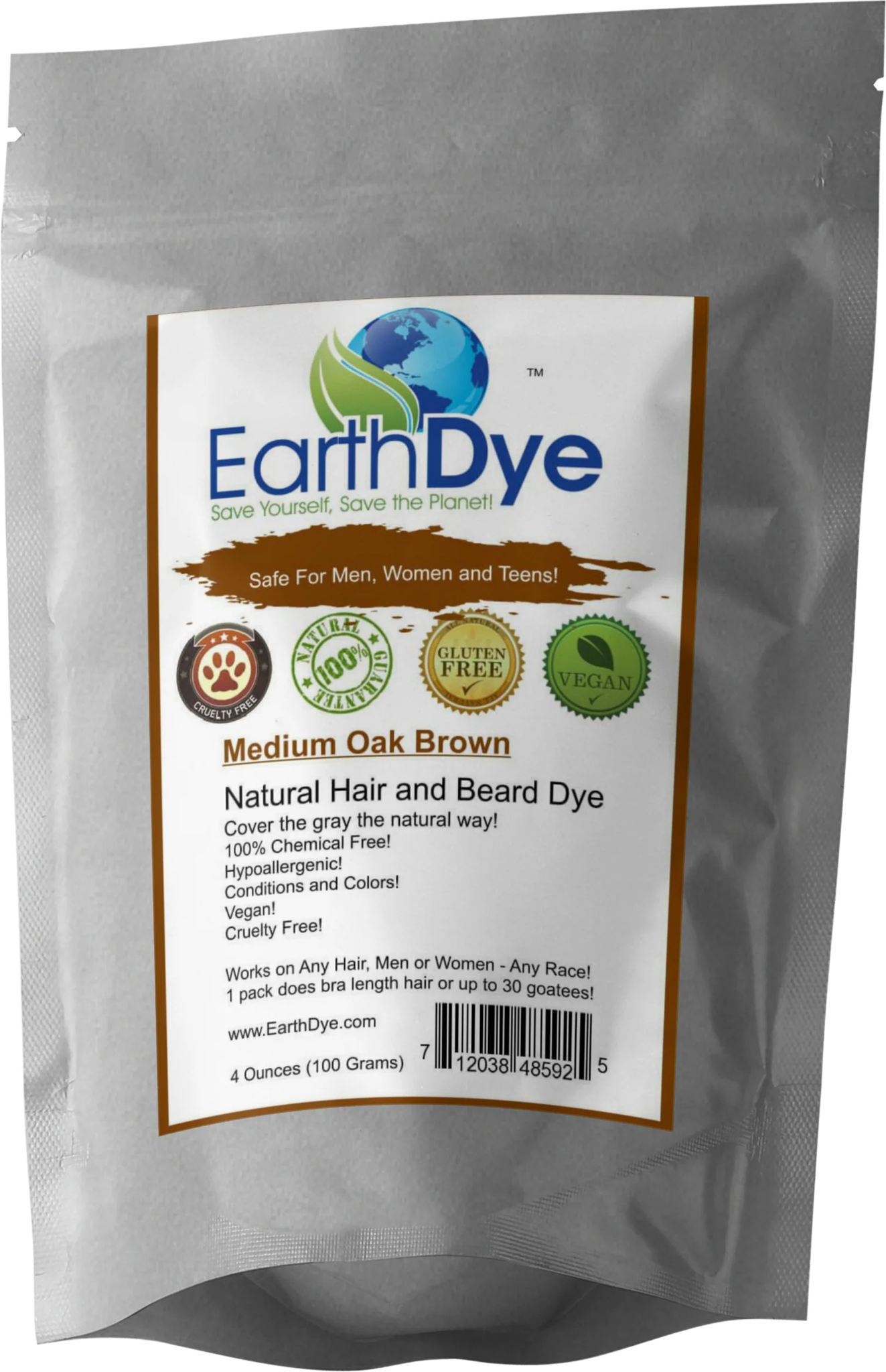
Choosing the right approach for gray coverage doesn’t have to mean settling for harsh formulas or artificial results. By prioritizing plant ingredients and a gentle, coverage-focused blend, you can support scalp comfort and achieve a softer, more natural appearance. earthdye.com is built around carefully selected plant ingredients and one-step henna blends that help cover gray hair effectively while avoiding PPD and harsh chemicals for a gentler coloring experience. If you want a natural-looking outcome that fits real life, a plant-based option can be a smart and satisfying step. Many shoppers find that the difference shows up in both feel and finish—less dryness, more comfortable application, and color that looks believable in everyday light. When you treat coloring as a routine rather than a one-off experiment, it becomes easier to maintain your preferred tone over time. You can move toward confident gray coverage without compromising the kind of formula you want on your hair.

