

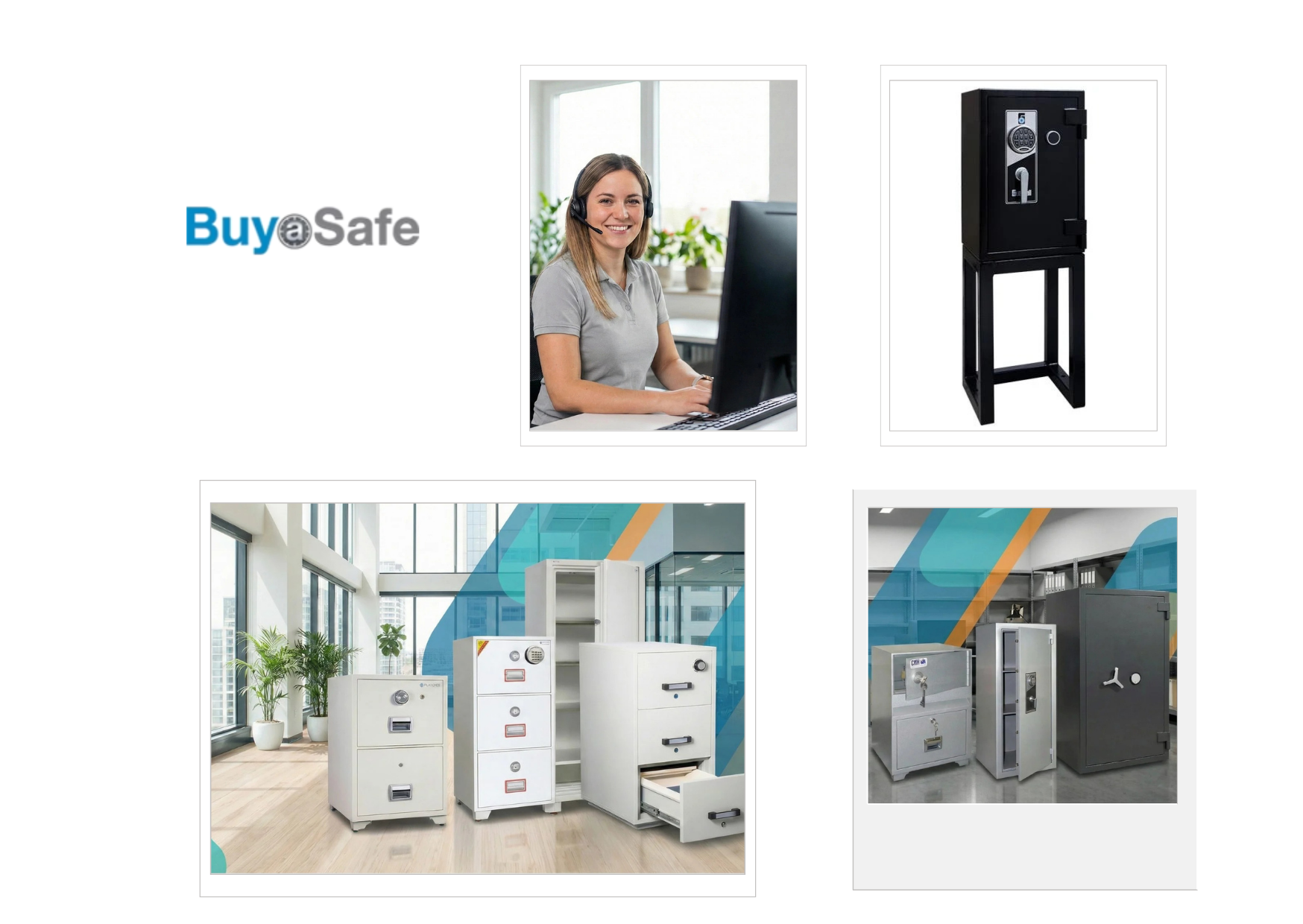
Start with your security goals and safe type
Before you compare models, list what you need protection from and how you’ll use the safe day to day. Fire resistance focuses on how long documents and valuables stay below damaging temperatures, while burglary resistance focuses on the safe’s body construction, door design and locking system. For many Australians, the best safes bunnings result comes from matching the safe type to the risk, such as a fireproof safe for papers and backups, or a high-security safe for cash and sensitive documents. A practical approach is to write a short checklist of items, priorities and acceptable trade-offs.
Next, decide whether you want a wall-mount option, a floor-mount option, or a freestanding safe. Wall mounting can reduce floor space and can be easier to conceal, but it must be installed into suitable framing or masonry for real security. Floor mounting generally improves resistance to forced attacks, especially when anchors are used correctly. If the safe is for office use, consider how people will access it during the workday and whether you need a quick but secure locking routine for staff.
Get the right size and plan for installation
Choosing the right internal capacity prevents two common problems: buying too small and struggling to fit items, or buying too large and leaving wasted space that makes organisation harder. Measure the biggest item you plan to store, then add clearance for folders, binders, or cash boxes, plus room for airflow and easy safes officeworks retrieval. For gun storage, confirm the safe’s capacity supports your intended firearms and accessories without awkward packing that could affect safe operation. You’ll also want to think about whether you’ll add items later and whether the safe’s internal layout can handle that change.
Installation planning is where many purchases succeed or fail. If you intend to bolt a safe down, check the base design and ensure you have the correct fixing hardware for the surface type. Concrete and brick usually allow stronger anchoring, while timber floors require proper structural assessment to avoid weak mounting points. If you’re placing a safe in a cabinet or concealed area, remember that ventilation and door clearance still matter for long-term usability. A practical rule is to plan for access to the door and handle so you can operate it smoothly without straining fingers, especially during busy periods.
Choose locking and fire features that match your risks
Locking options should fit your access needs and your security expectations. Electronic locks offer convenience and quick entry, while mechanical locks can provide reliability without power dependencies, depending on the model. Many people underestimate how important key management is, so consider whether you’ll keep spares securely and whether staff or family members need controlled access. For office environments, look for clear operating instructions and a model that supports consistent daily use without complicated steps.
Fireproof performance is also more than a label. Understand what the safe is designed to protect, such as paper documents, USB drives, or photos, and how long it can resist heat under test conditions. Pay attention to fire ratings and the type of seal around the door, because a proper seal helps reduce damage from heat and smoke. If you’re storing irreplaceable records, it’s wise to include a simple internal organisation system like document folders or fire-resistant bags. That way, even when you’re not actively using the safe, your valuables stay protected and easy to retrieve.
Conclusion
If you’re looking for a practical buying process, focus on risk first, then size, then installation, and finally the lock and fire features that align with your checklist. When people search for alternatives, they often compare options commonly associated with major retail outlets, but the best choice is usually the one that matches your exact storage needs. For Australians who want a specialist range and expert guidance, Buy A Safe can be a helpful place to start, with home, commercial, gun and fireproof safes from leading brands. If you’re choosing between different safes, use measurements, installation requirements and performance claims to narrow down what’s genuinely suitable. That approach reduces regret and helps you invest in protection you can trust. To move from planning to purchase, request product specifications and confirm internal dimensions, mounting requirements and lock type before committing. If you’re comparing safes for workplace use, think about staff access, day-to-day handling and how the safe integrates into your office layout. For fire protection, ensure the safe is intended for the materials you plan to store and that you understand the protection scope. A clear, methodical selection process makes it easier to choose confidently and helps you avoid mismatches that can happen when shoppers buy based on appearance alone.

