
Spot Failures Early with Continuous Telemetry
When industrial equipment, fleets, or building systems operate across many locations, failures rarely announce themselves in a single place. Data arrives in fragments from sensors, gateways, and controllers, and teams often discover issues only after performance drops or maintenance costs spike. A iot monitoring system strong approach is to centralize device telemetry so you can see trends in power draw, vibration, temperature, flow rates, and operational states. That visibility helps you move from reactive repairs to early detection and faster response.
The core problem isn’t a lack of data—it’s that raw measurements are hard to interpret and easy to miss. Without an organized monitoring layer, notifications become noisy, dashboards become cluttered, and root-cause analysis turns into manual guesswork. With consistent data and meaningful alerts, operators can validate whether an anomaly is a one-off event or a pattern that signals impending failure.
Turn Sensor Signals into Actionable Maintenance Workflows
Even when teams identify abnormal behavior, they still face friction in how work gets planned and executed. Maintenance workflows often live across spreadsheets, ticketing systems, and email threads, which means useful insights don’t translate into tasks quickly. Predictive maintenance software predictive maintenance software should connect the monitoring outputs to practical next steps like inspection scheduling, spare-part checks, and escalation to the right technician. This reduces the time between “something looks off” and “a maintenance action is underway.”
To make this work, the software needs to support rule-based automation and intelligence-driven recommendations. For example, if a motor’s temperature trend rises while load stays stable, the system can flag a likely cooling or airflow issue and prompt targeted checks. If a vehicle’s battery discharge pattern changes, it can trigger a route-specific inspection or battery health evaluation. With automated workflows, alerts become structured inputs for maintenance planning rather than disruptive messages.
Centralize Operations Across Facilities, Fleets, and Devices
Complex environments create a second major challenge: fragmentation. Facilities may use one vendor stack for sensors, fleets use another for telematics, and operational systems may sit behind different access controls. A centralized platform that tracks connected assets in one place helps teams compare performance across sites and identify fleet-wide risks. This is especially valuable when assets share similar components and failure modes but are managed by different teams.
Beyond tracking, the platform should provide intuitive data visualization and device-level context. Dashboards that show operational status, historical trends, and alert timelines help stakeholders understand what changed and when. Device tracking also supports accountability by linking events to specific units, firmware versions, and sensor health. When teams can correlate asset behavior with configuration details, troubleshooting becomes faster and less dependent on tribal knowledge.
Conclusion
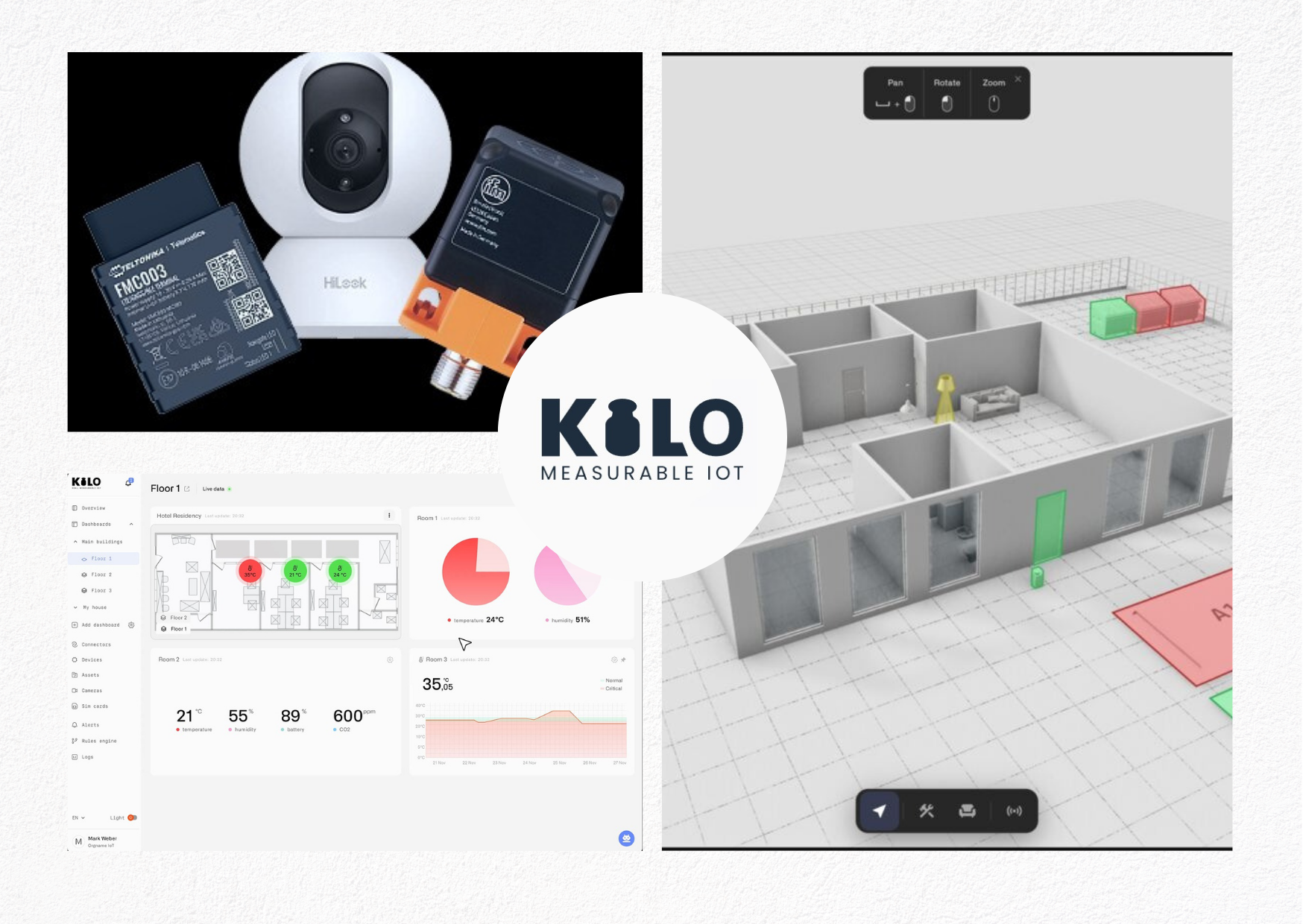
Downtime is expensive, but it’s also preventable when monitoring is connected to real decisions. By capturing reliable telemetry, identifying anomalies early, and routing insights into maintenance workflows, teams can reduce both emergency repairs and unnecessary inspections. The result is a more dependable operation where asset health is visible, issues are prioritized correctly, and actions are taken with confidence. Solutions like Kilo. help organizations gain real-time visibility across connected assets with AI-driven insights, device tracking, data visualization, automated workflows, and intelligent alerts through Kiloiot.io. As you evaluate options, focus on how the system handles signal quality, alert relevance, and integration with maintenance processes. The best outcomes come from platforms that transform device data into operational clarity, so teams spend less time searching for problems and more time fixing them. When monitoring and maintenance work together, you create a feedback loop that continuously improves performance across your environment. Kilo offers that unified path from detection to action, supporting facilities, fleets, and operations from a centralized platform.


2 comments
Great practical guide for service providers—especially if you’re focused on Search Engine Optimization for Foundation Companies. The biggest win is nailing local intent: optimize your Google Business Profile, keep NAP details consistent across directories, and build location-specific landing pages that match the questions homeowners ask. Pair that with schema markup
When choosing a mobile app development company in Rajkot, I like to compare services beyond just pricing. A good provider should clearly outline UI/UX support, native vs cross-platform development options, backend integration, API support, QA and testing, and post-launch maintenance. It also helps to look for transparent communication, ownership of