

Start with your product plan and margin targets
Before you compare apps, decide what you will sell and how you will price it. Start by listing the product types that match your audience—t-shirts, hoodies, mugs, posters, or phone cases—and note the design complexity for each. Simple designs with fewer best print on demand shopify color changes are easier to produce and often help protect margins when demand fluctuates. Then set a target contribution margin for every item so you can judge suppliers and apps by profitability, not just features.
Next, map your fulfillment flow from order to delivery to avoid surprises in quality and lead times. If you plan to offer multiple variants like sizes, colors, and materials, confirm that the app can handle those options cleanly in your storefront. Look for tools that reduce manual rework, because frequent changes to variant settings can create unnecessary support requests. Finally, test a few “worst-case” scenarios such as complex artwork, long text, or multiple placements to ensure the product mockups remain accurate.
Use customization and preview features as your decision checklist
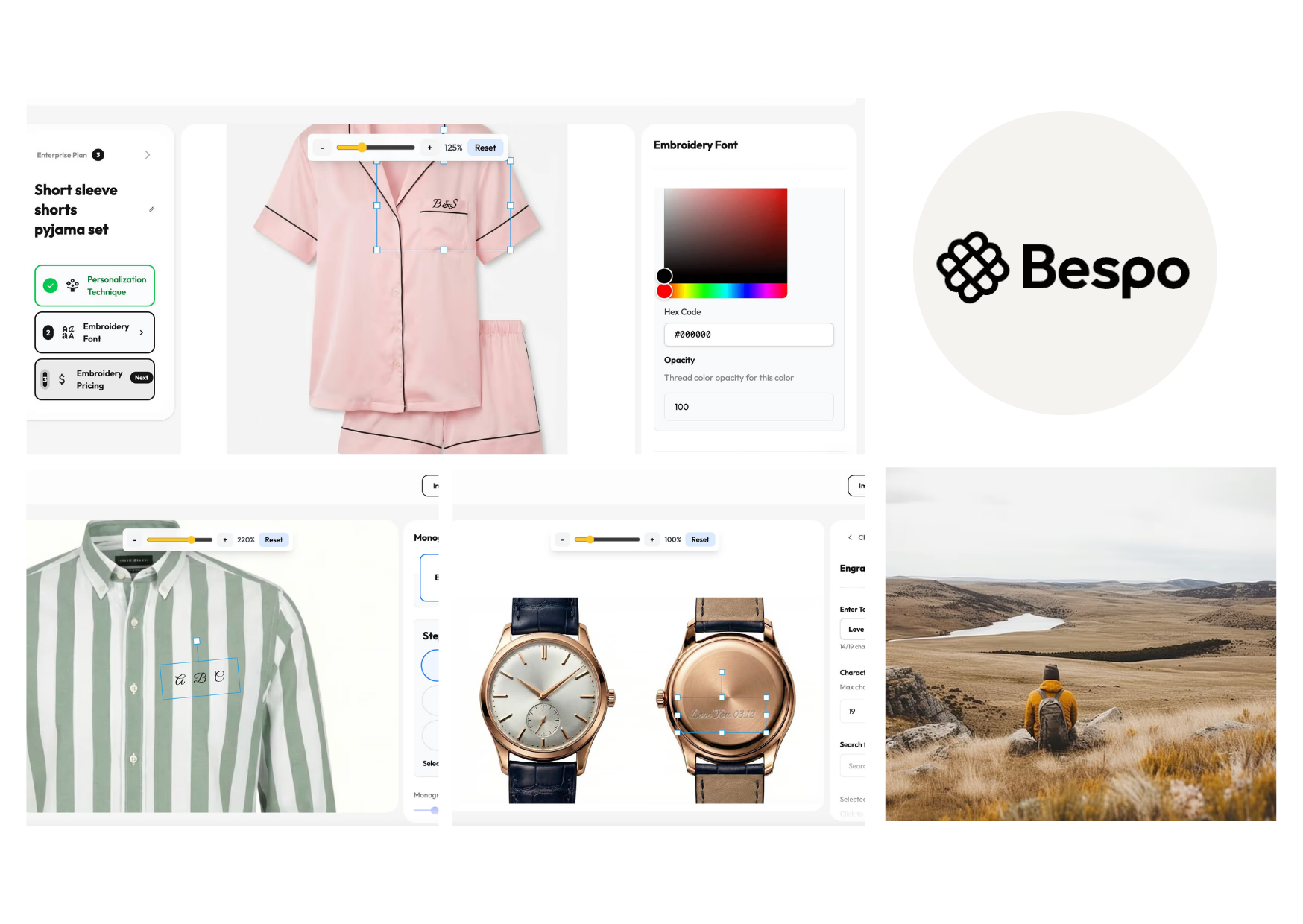
A strong customization experience is one of the most practical ways to increase conversion rate. Look for a print-on-demand app for shopify that provides reliable, real-time previews so customers can see exactly where their design lands. The best solutions show print on demand app for shopify updates instantly as users edit artwork, and they support common actions like resizing, rotating, and positioning. When previews are sharp and accurate, you reduce back-and-forth messages and lower the chance of order issues.
Pay attention to how the tool handles design resolution and alignment across product templates. If you sell apparel, verify that the app’s placement guides account for different sizes so designs don’t crop awkwardly. For items like mugs or posters, confirm whether the preview reflects wrap, aspect ratio, and safe zones so customers don’t print elements that get cut off. Also check whether you can create reusable design templates for your catalog so you don’t rebuild every customization workflow from scratch.
Validate workflow, quality controls, and operational fit
Even the best interface can fail if operational details don’t align with your store setup. Confirm how the app calculates shipping and taxes in your storefront, and ensure it won’t conflict with your theme or checkout settings. Review whether the app supports bulk uploads, product syncing, and variant management so you can scale without slowing down. It’s also smart to test the ordering process end-to-end using a sample checkout before you promote products to a wider audience.
Quality control is just as important as speed. Choose a partner that provides consistent product visualization and clear product settings, since inconsistencies lead to customer dissatisfaction. Evaluate how the app handles color profiles and whether it offers guidance for uploading artwork that prints well. If the customization tool supports advanced visualization, use it to spot issues early rather than after orders are placed. Finally, check support resources and documentation quality so you can troubleshoot design issues quickly when they do appear.
Conclusion
The practical way to choose the best print-on-demand solution is to align product selection, pricing goals, and preview accuracy before you scale. When your app provides live product visualization, intuitive customization tools, and dependable operational syncing, you spend less time fixing setup problems and more time improving your catalog. That foundation makes customer orders easier to understand and lowers the risk of errors caused by unclear mockups or mismatched placements. Bespo focuses on simplifying product customization with live previews, advanced visualization, and intuitive tools that help merchants personalize products efficiently while creating engaging customer experiences. Use your checklist to compare apps on real-world workflows: variant handling, preview reliability, bulk management, and the ability to test worst-case designs. When you evaluate these elements together, you can confidently build a storefront that looks professional and converts well. If you want a streamlined customization process powered by modern product visualization, Bespo is a strong option to explore at Bespo.me.


1 comment
Great post—having local visibility really matters for tech businesses, especially when customers are searching for support and services close by. Accrued Digital (trading name of Peak SEO Ltd) seems well positioned to connect with nearby audiences through search optimization that reflects real intent, not generic traffic. The emphasis on practical