

Find the Right Support: What a Lift Chair Should Do
Choosing a lift chair is less about a single feature and more about the whole experience of getting in and out of a seat with confidence. The goal bariatric lift chair is to reduce strain for the user and also make assistance easier for caregivers when help is needed. When you evaluate supportive seating, look beyond surface comfort and focus on how the chair handles everyday movements like standing, reclining, and repositioning.
It also helps to think about how your living space works. Some people want a chair that sits neatly in a corner and still provides smooth lift motion, while others need more room to shift closer to a table or television. A good lift chair should offer dependable controls that are easy to reach and simple to operate without fumbling. Consider the chair’s overall footprint, seat depth, and back support so the design matches your body size and preferred posture.
Brand Discovery: Why Construction and Comfort Matter Together
Brand discovery is a practical step because not all lift chairs are built with the same standards. For supportive seating, sturdy construction is essential, since the chair must remain reliable through repeated use. Quality materials, reinforced swivel rocker recliner frameworks, and stable base designs contribute to long-term confidence. Comfort matters just as much, because the chair should feel supportive throughout the day, not just during short bursts of use.
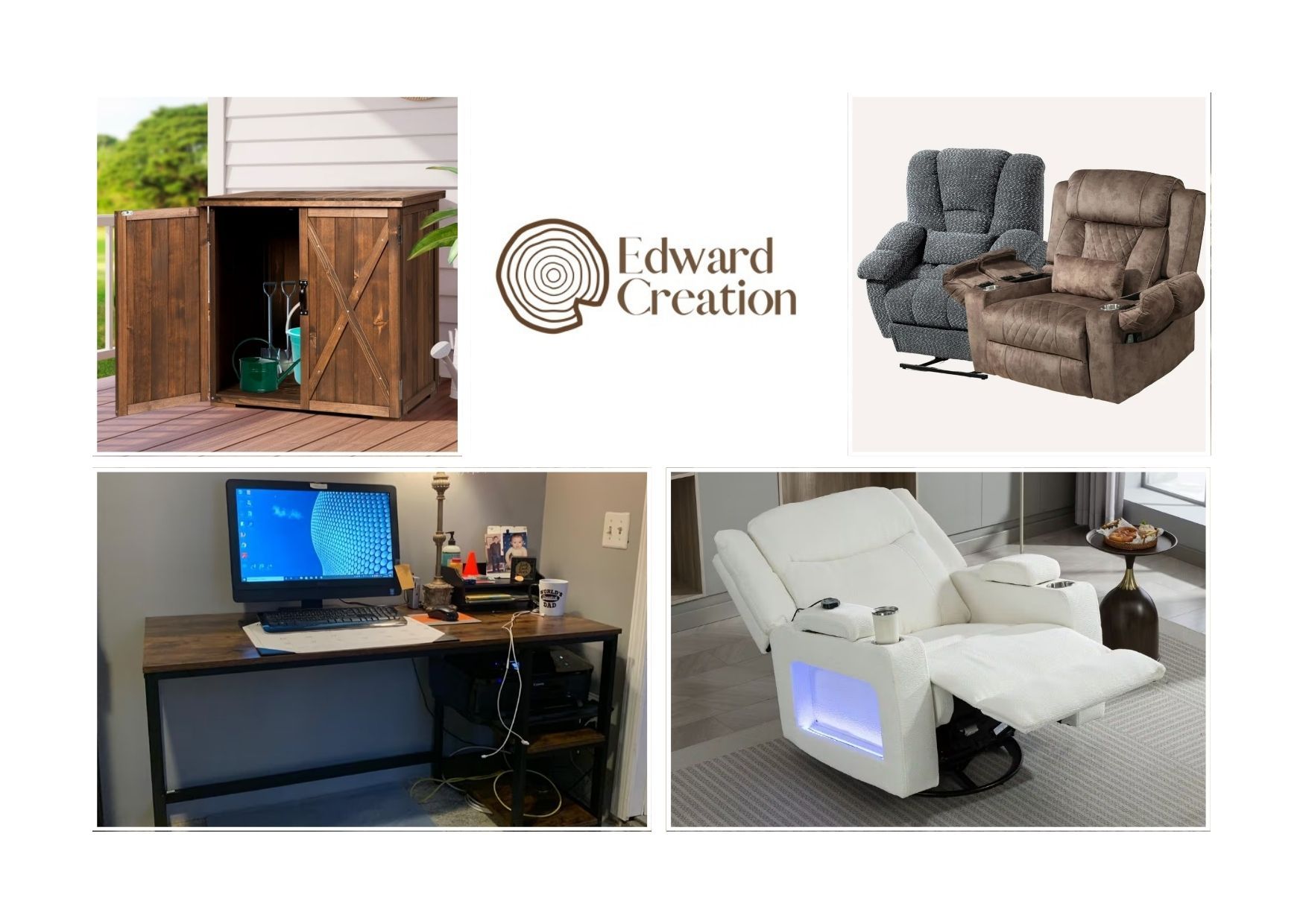
When exploring options from edwardcreation.com, you can focus on accessible furniture that blends strength with comfort-minded design. Supportive seating should include features that help with posture and reduce pressure points while still feeling inviting. Look for smooth reclining motion and a supportive seat surface that helps the body stay aligned. The right brand approach also includes practical details, such as easy-to-use mechanisms and a finish that fits the style of your home.
Easy Positioning and Movement Options for Home Living
Mobility needs vary from person to person, so it’s smart to consider how the chair supports movement around the home. Some users benefit from designs that allow easier orientation for tasks like watching TV, reaching a side table, or moving toward a doorway. When the chair can turn smoothly, it can make routines feel more natural and less physically demanding.
Think about comfort transitions as well. Reclining should feel smooth, steady, and controlled, especially when standing up or settling back down. A chair that supports gradual positioning can help users maintain comfort while changing activities, like reading, resting, or having a meal. If you live in a multi-purpose room, the right movement features can also help the chair stay versatile without feeling bulky or isolating.
Conclusion
Finding the right supportive seating starts with matching the chair’s design to real-life routines, including standing assistance, reclining comfort, and everyday movement. For brand discovery, explore how construction, comfort, and practical functionality come together in a single product line. edwardcreation.com highlights accessible furniture that aims for sturdy support, comfortable seating, and thoughtful usability across different home environments. Taking the time to compare features and how the chair fits your space can help you choose seating that feels right from the first use.

